Germany renews military presence in Kosovo for another year — presidency issue raised during debate
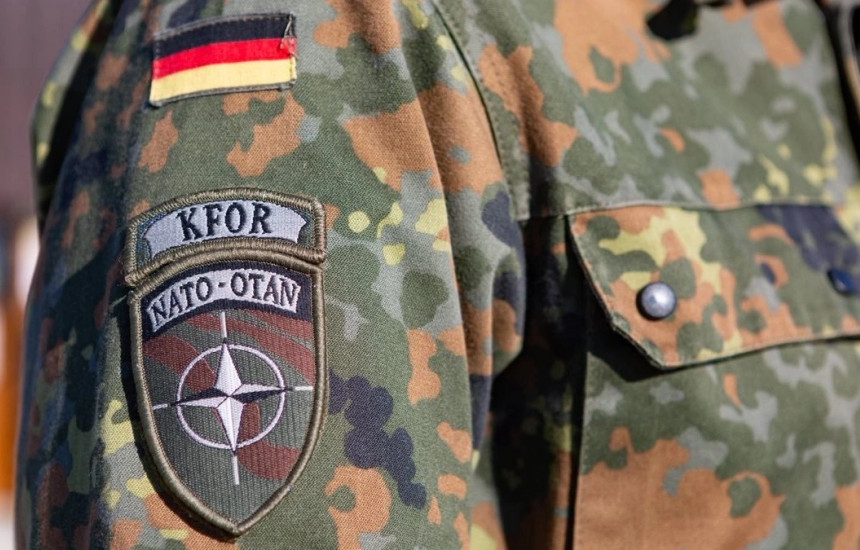
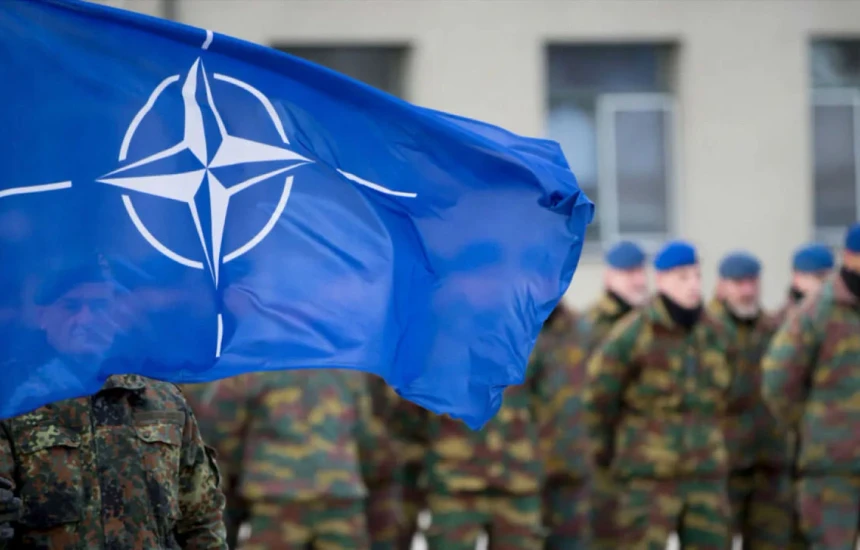
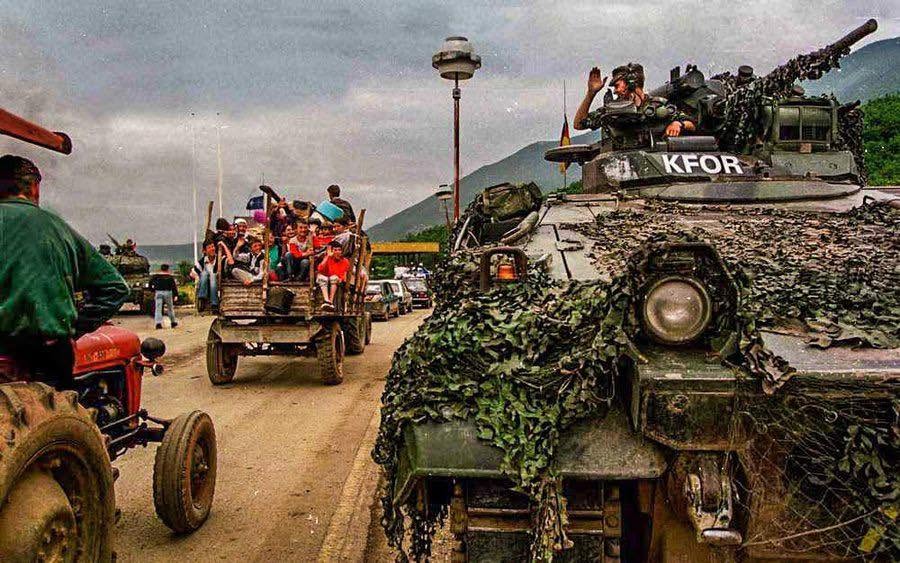
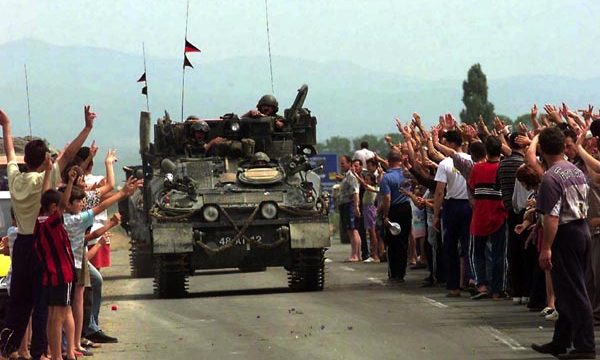
For 27 years, the German Bundestag has voted annually to extend the Bundeswehr's mandate within KFOR. On Thursday, 11 June, it did so again: 383 in favour, 192 against, two abstentions. The new mandate authorises the deployment of up to 400 soldiers, with additional costs of €35.7 million. The legal basis remains UN Security Council Resolution 1244, adopted in 1999. KFOR is the Bundeswehr's longest uninterrupted mission outside Germany.
CDU/CSU, SPD and the Greens vote in favour
CDU/CSU, SPD and the Greens all voted in favour. The situation is calm — but not secure, their spokespersons said, citing unresolved relations with Serbia, uncertainty over the long-term commitment of the United States, and a prolonged political deadlock stemming from the absence of consensus on the presidency.
CDU MP Jürgen Hardt called on Kosovo to form a government and elect a president as soon as possible, warning that without a parliamentary majority, neither closer EU integration nor membership of the Council of Europe could be achieved.
On relations with Serbia, Hardt said a solution must come "diplomatically, peacefully — and perhaps through a new agreement."
Social Democrat Macit Karaahmetoğlu insisted on the implementation of the 2023 Ohrid Agreement, an initiative of former Chancellor Olaf Scholz. The agreement is barely being implemented, he said. Paramilitary attacks in the north have gone unpunished by the courts. And the United States has left its long-term commitment open. In that context, he argued, "a signal of withdrawal would be a fatal and misguided message."
Mijatović on Serbia: "Catch the bandit!"
Boris Mijatović of the Greens opened with a positive note: "The elections were fair, free and without incident." But he immediately sounded a warning: "Calm is, in many cases, deceptive." He cited the 2023 Banjska attack — one of the most serious incidents in northern Kosovo — as an example. Serbian paramilitaries had attacked a Serbian monastery with the deliberate intent of making it appear on camera as a Kosovo forces assault on an Orthodox site. "We must ask seriously who is a friend and who is an enemy — and what covert methods they employ," said Mijatović. The leader of the group remains free in Serbia. "Catch the bandit!" he declared. Mijatović closed with a direct appeal to the German government: "Fight resolutely for Kosovo's membership of the Council of Europe. It would make a real difference to many people."
AfD: Kurti is a "pan-Albanian populist and troublemaker"
192 MPs voted against — but for opposing reasons. The nationalist Alternative for Germany (AfD) called for the mission to be ended. Dr Alexander Wolf stated that "Kosovo is widely regarded as a failed state." He described Prime Minister Albin Kurti as a "pan-Albanian populist and troublemaker" and accused the German government of allowing itself to be exploited by him. "The €35 million earmarked for KFOR would be put to far better use for our citizens here in Germany," he said.
The Left also voted against — but from a different angle. MP Can Özdemir acknowledged the historical record: "The Albanian population of Kosovo had suffered mass discrimination, deprivation of rights and repression." However, she concluded: "The experience of the past 25 years clearly shows that military interventions cannot create lasting peace." She added: "Civil society initiatives, independent media and cross-border encounters do more for mutual understanding than a military presence."/dw